
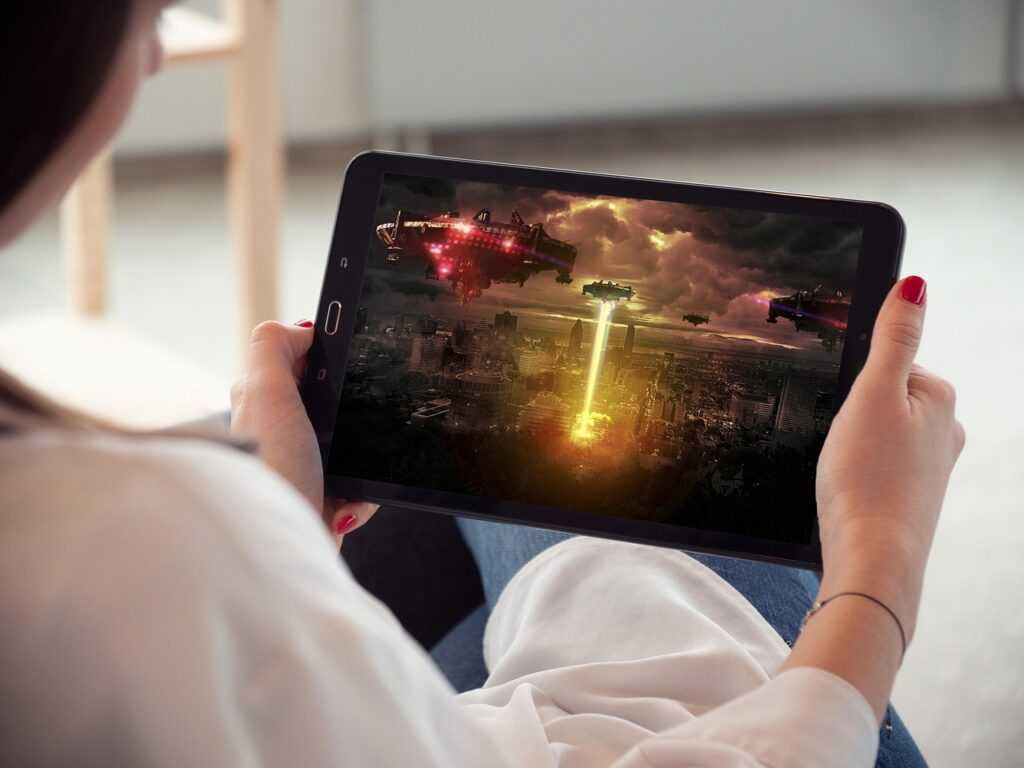
The Old Model’s Falling Apart
The traditional foundations of entertainment distribution cable TV bundles and theater first movie releases are rapidly becoming obsolete. Consumer habits have made a permanent shift, and the industry is scrambling to keep up.
Out with the Old: The Decline of Scheduled Viewing
Gone are the days of waiting for your favorite show to air at a specific time or planning a weekend around a movie premiere. Today’s viewers demand convenience, flexibility, and instant access.
Cable packages are losing subscribers by the millions each year
Theater exclusivity windows have shortened or disappeared altogether
Viewers prefer content that’s on demand, on their schedule
The Rise of the Stream and Skip Generation
Today’s audiences are not just watching they’re consuming. Binge watching, skipping intros, and ditching commercials have become the norm.
Entire series are watched in a single weekend
Commercial skipping through paid tiers or ad blockers is widespread
Viewers expect uninterrupted, accessible content
Power Shift: Networks to Consumers
Technology has upended the power dynamics. What once was controlled by networks and studios is now directed by user demand.
Audiences decide the when, where, and how of content consumption
Viewer data drives development and distribution decisions
Subscription based models put the content gate in the hands of the consumer
In short, it’s not just that viewers have more control it’s that the entertainment ecosystem is being rebuilt around their preferences.
Studios Become Streamers
The big studios aren’t just selling content anymore they’re selling ecosystems. Warner Bros. Discovery has Max. Disney has Disney+. Paramount runs Paramount+. Owning the platform means owning the audience, the data, and the profit margins. That’s why original content is getting the lion’s share of investment because nobody cancels a service when they’re hooked on a story they can’t get anywhere else.
Licensed content still matters, but it’s a short term play. Originals drive subscription sign ups and keep churn low. That makes shows like “The Mandalorian,” “Stranger Things,” or “The Last of Us” not just hits they’re anchors. They give platforms identity.
But there’s a catch. More platforms mean more subscriptions, and fans are starting to feel stretched. Subscription fatigue is real. With every studio launching its own app, the market’s now crowded and fragmented. If content doesn’t stand out and fast viewers scroll past or unsubscribe altogether. It’s not just about good shows. It’s about timing, precision, and staying binge worthy in a saturated space.
Creative Freedom is Expanding
Streaming platforms are skipping the usual gatekeepers and betting on voices that never used to make it past the pitch room. The data’s clear: viewers crave something different. We’re seeing films and series led by creators from underrepresented backgrounds, in languages seldom heard outside their home countries, telling stories that don’t follow the old formulas. It’s not just lip service it’s turning into real budgets and real releases.
What used to be film festival darlings with no mainstream path are now headlining on global platforms. Indie storytellers don’t have to wait for studios to say yes. With the right trailer, a smart release strategy, and a little buzz, they can build a direct line to audiences around the world. And because platforms need content, especially content that feels fresh, they aren’t afraid to take chances.
This shift doesn’t just impact a handful of lucky creators it’s broadening the types of narratives we get to see. More culture, more perspectives, fewer reruns of the same old tropes.
Data Driven Storytelling
Studios aren’t guessing anymore they’re tracking. Algorithms now have a major seat at the writers’ table, and they’re influencing what gets greenlit. Viewer data tells platforms not just what people like, but how long they watch, when they pause, what they skip, and which characters keep eyeballs glued. That data fuels decisions: plotlines, pacing, even casting choices are being optimized for engagement.
Renewals and cancellations don’t hang on reviews or awards like they used to. If the numbers dip, the show gets the axe. If a minor character sparks a viral moment, you can bet they’re suddenly a series regular. This real time feedback loop is efficient, but it also makes some content feel engineered instead of envisioned.
Meanwhile, the barrier between storytelling and marketing keeps thinning. Branded series, product placed podcasts, and IP rich universes aren’t just about selling ads they are the ads. The result? It’s getting harder to tell where the show ends and the pitch begins.
Good stories still matter. But now they also need to feed the machine.
New Release Formats & Viewer Habits
There’s no one size fits all for release strategies anymore. Streaming giants are split between two camps: the binge drop and the weekly episode. Binging, made popular by Netflix, gives that immediate gratification hit and dominates social buzz for about a week. Weekly releases stretch attention spans and create space for discussion, speculation, and fan theories to build momentum. Just ask the teams behind slow burn hits like “The Last of Us” or “Succession.” Delayed gratification keeps people showing up.
What’s also back: long form storytelling. Quick bites had their moment, but audiences now want layered narratives that give them something to sit with. They’ll still click fast, but they’ll stay longer if it’s worth it. This shift demands more from creators. Plotlines need depth. Characters need arcs. Production value matters.
Simply put, viewers expect more. Pacing that drags or writing that doesn’t land will get skipped. Today’s audience is savvy they’ve seen a lot, and they scroll quickly. Doesn’t mean content has to be expensive, but it does need to be intentional.
Need inspiration? Get your fix with our monthly entertainment picks.
Theaters Are Still Alive (For Now)
Blockbusters aren’t just surviving they’re still the main reason people show up to theaters. Tentpole franchises, legacy sequels, and buzzy IP hits continue to generate real box office traction. But here’s the change: studios aren’t betting on theaters alone anymore. The hybrid model simultaneous or staggered streaming and cinema releases is becoming the standard. It’s less about choosing between platforms and more about maximizing across both.
This shift has downstream effects. Movie budgets are ballooning again, not just to create spectacle on screen but to justify the wider ecosystem: theatrical runs, subscriber boosts, merchandise drops, and extended universe tie ins. Every title has to do more than just sell tickets it has to spin the wheel everywhere. And that brings pressure. A flop in theaters can still burn millions. But a miss on both fronts? That’s harder to recover from.
Studios are now playing a high stakes balancing act use theatrical releases to build buzz, then deploy strategic digital rollouts to sustain interest. It’s risky. But for blockbusters, it’s the new normal.
What This Means for You
These days, it feels like there’s too much of everything shows, movies, spin offs, reboots. Streaming platforms are great at offering personalization, but that also means more noise to sift through. Choice fatigue is real. Just because your homepage serves you twenty options doesn’t mean any of them are what you actually want to watch.
That puts the burden back on the viewer. You’ve got to dig a little. Recommendations from friends, curated playlists, niche review channels these are your new guides. The days of simply turning on the TV and settling are long gone. Now, being a savvy viewer takes a bit of work.
Need a head start? We’ve pulled together our top monthly entertainment picks to help you cut through the algorithmic noise.




































































































































































































































































































































































































































































































































































































































































































































































































































































































































































































































































































































































































































































































































































































































































 Lorissa Zyphandella, the visionary founder of Buzz Hub Tracker, established the platform with a mission to keep audiences connected to the pulse of popular culture. With a keen understanding of media trends and digital engagement, she built Buzz Hub Tracker into a trusted source for trending news, entertainment insights, influencer marketing updates, and innovative engagement strategies. Her leadership reflects a passion for bridging audiences with the fast-paced world of culture and technology, ensuring that readers and professionals alike stay informed and inspired.