
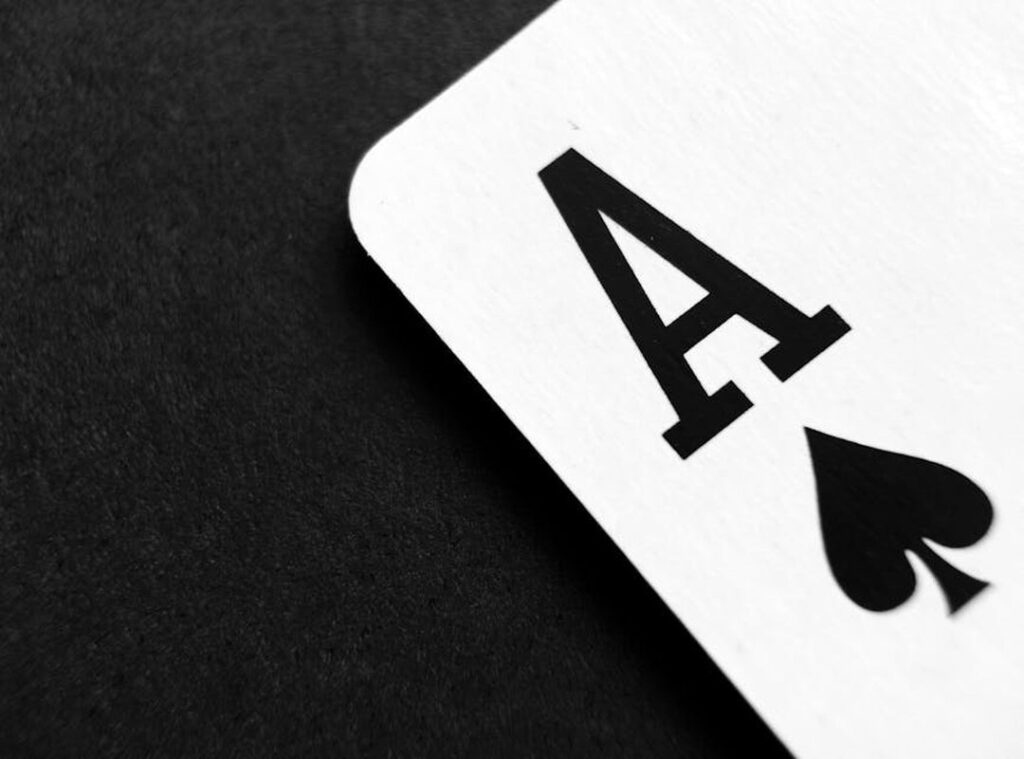
Imagine a bold, striking image of a dessin ace noir et blanc. You’ve probably seen it in tattoos, art prints, and all over social media. It’s not just a card; it’s a symbol that’s taken on a life of its own.
This design, a monochrome ace, has become an enduring and popular symbol in modern culture. But why? What makes it so special?
The ace represents more than just a game. It’s a symbol of power, new beginnings, and destiny. There’s something about that simple black and white drawing that resonates with people.
In this article, we’ll dive into the hidden meanings behind each suit, the various artistic styles used to depict it, and how this iconic image is trending today. By the end, you’ll see the dessin ace noir et blanc as more than just a pretty picture. It’s a powerful statement piece with deep personal significance.
Why the Ace Dominates Tattoos and Graphic Design
The ace is a unique card. It’s both the highest and the lowest, symbolizing ultimate power and humble beginnings. This duality makes it a versatile and profound choice for designs.
Black and white color palettes strip the design to its essentials. They amplify the bold shape, creating a timeless, classic aesthetic that never goes out of style. Think about it: a dessin ace noir et blanc is striking and memorable.
Themes of luck, risk, and fate resonate strongly in tattoo culture. These themes also appeal to edgy branding for fashion and lifestyle products. The ace fits perfectly into this narrative.
In pop culture, the ace has a solid footing. From rock and roll iconography like Motörhead’s ‘Ace of Spades’ to its role in classic gambling films, it cements its ‘cool’ factor. People love it because it feels authentic and rebellious.
Its design flexibility is another key point. The simple, recognizable form works equally well for minimalist line art as it does for highly detailed, ornate illustrations. This versatility means it can adapt to various styles and preferences.
Looking ahead, I predict the ace will continue to be a popular choice. As more people seek designs that are both meaningful and stylish, the ace’s deep symbolism and clean aesthetics will keep it at the top.
Decoding the Suits: What Your Black and White Ace Really Means
The Ace of Spades, often called the ‘death card,’ is a powerful symbol. It represents transformation, finality, and absolute power. You see it in art more than any other ace because it’s intense and striking.
But what about the Ace of Hearts? This one is all about pure emotion. It can represent a new love, compassion, or a deep relationship.
In black and white, it takes on a more dramatic, fated-love narrative.
Then there’s the Ace of Clubs. This ace is tied to creative sparks, new business ventures, personal growth, and the pursuit of knowledge. It’s like the start of a new, inspired journey.
The Ace of Diamonds is all about prosperity, wealth, and important news or opportunities. It often represents a tangible reward or a valuable new path.
When you remove color, something interesting happens. The viewer and artist focus solely on the core meaning and iconic shape of the chosen suit. This makes the symbolic statement even stronger.
Think about it. A dessin ace noir et blanc forces you to look at the essence of the card. No distractions, just the raw, powerful message.
In the end, each ace in black and white tells a unique story. Whether it’s the intensity of the spades, the emotion of the hearts, the creativity of the clubs, or the prosperity of the diamonds, they all have a lot to say.
Popular Artistic Styles for Ace Card Drawings
Minimalist & Fine-Line style is all about clean, simple outlines. It emphasizes the card’s iconic shape, making it perfect for subtle tattoos and modern logos. This style strips away the clutter, leaving a sleek, elegant design.
Some people argue that minimalism lacks depth. They say it’s too basic and doesn’t capture the richness of the ace. But here’s the thing: minimalism isn’t about complexity; it’s about clarity.
It makes the card instantly recognizable and timeless.
Moving on to the Photorealistic or Illustrative style, this one uses detailed shading, texture, and highlights. The result? A card that looks tangible, often with elements like tears, folds, or a weathered look.
It’s like you can almost feel the card’s texture through the drawing.
Critics might say this style is overdone. They argue that too much detail can be distracting. However, the level of realism can make the drawing incredibly engaging, giving it a life-like quality that minimalism can’t achieve.
The Gothic & Ornate style is another favorite. It embellishes the ace, especially Spades, with filigree, skulls, smoke, or flames. This creates a dark, intricate, and dramatic piece.
It’s perfect for those who love a bit of edge and mystery in their art.
Some might find this style too aggressive or over-the-top. But for those who appreciate a bold, statement-making design, it’s a fantastic choice. It adds a unique, almost theatrical flair to the drawing.
Then there’s the Sketch or Engraving style. This one uses techniques like cross-hatching and stippling to give the drawing a vintage, hand-etched, or woodcut appearance. It’s a nod to classic art forms and can add a touch of nostalgia.
Critics might say it’s outdated. But there’s something charming about a dessin ace noir et blanc that feels like it’s been lifted from an old book. It brings a sense of history and craftsmanship to the design.
Each artistic choice can completely alter the mood of the drawing. From something elegant and simple to something aggressive and complex, the style you choose can make or break the final piece. So, pick the one that resonates with you and your audience.
(And if you’re looking to engage your audience more, check out some tips for enhancing engagement.)
From Inspiration to Influence: The Ace in Digital Culture
Artists and influencers are all over black and white ace drawings on Instagram, Pinterest, and TikTok. They use these images to project an aesthetic of confidence, mystique, or rebellion. It’s a vibe that really resonates with their followers.
You can find plenty of inspiration with hashtags like #acetattoo, #aceofspadesart, #carddrawing, and #blackworktattoo. These tags are buzzing with creative and edgy content.
Modern brands in streetwear, coffee, and music also love ace imagery. They use it in their marketing and merchandise to build a cool, high-stakes brand identity. It’s a smart move because it taps into the timeless appeal of the ace symbol.
If you’re feeling inspired, why not use the imagery for a personal art project? Or maybe as a concept for a tattoo consultation? Even a themed social media post can make a big impact.
(Just think about how many likes and comments you could get!)
User-generated content, from filter effects to art challenges, keeps the ace symbol fresh and relevant. Dessin ace noir et blanc, for example, is a popular style that adds a classic touch to modern designs. It’s all about keeping the tradition alive while making it your own.
So, whether you’re looking to stand out or just add some edge to your feed, the ace is a great way to do it.
Playing Your Hand: Making the Ace Your Own Statement
dessin ace noir et blanc is a powerful canvas for personal expression, not just a copy of a playing card. The combination of suit—whether it symbolizes love, power, wealth, or knowledge—and artistic style allows for a deeply customized and meaningful design.
Consider what an ace could represent in your own life. It might be a new chapter, a major achievement, or a commitment to a personal belief. Start sketching your own version or find an artist whose style resonates with the story you want to tell.
This single image can be a powerful reminder of your own potential and path.
 Clifton Wheelerwalkies brought valuable expertise and commitment to the development of Buzz Hub Tracker, helping the platform grow into a trusted source for trending news and entertainment insights. His contributions in shaping strategies and supporting the team have been essential in building a platform that reflects both creativity and reliability. Clifton’s involvement showcases the collaborative spirit that has driven Buzz Hub Tracker forward.